, ,
language :
  • Français
  • English
  • Deutsch
  • Español

FACEBOOK

INSTAGRAM

The men’s crossbody bag has become an essential piece in the modern male wardrobe. Practical, versatile, and easy to carry, it now complements both urban outfits and more refined looks. Yet the way it is worn is often inconsistent: poorly adjusted strap length, disproportionate volume, unsuitable materials, or awkward integration into the silhouette. As a result, an accessory designed to enhance an outfit can quickly throw off the entire balance.

A successful crossbody style does not rely solely on trends or the size of the bag itself. It depends on much more concrete factors: the proportions between the bag and the body, the softness or structure of the material, the way it drapes when worn, as well as its actual functionality and how well it matches the chosen clothing. A compact smooth leather model does not create the same effect as a technical messenger bag or an oversized canvas style.

The Codes of Men’s Crossbody Style


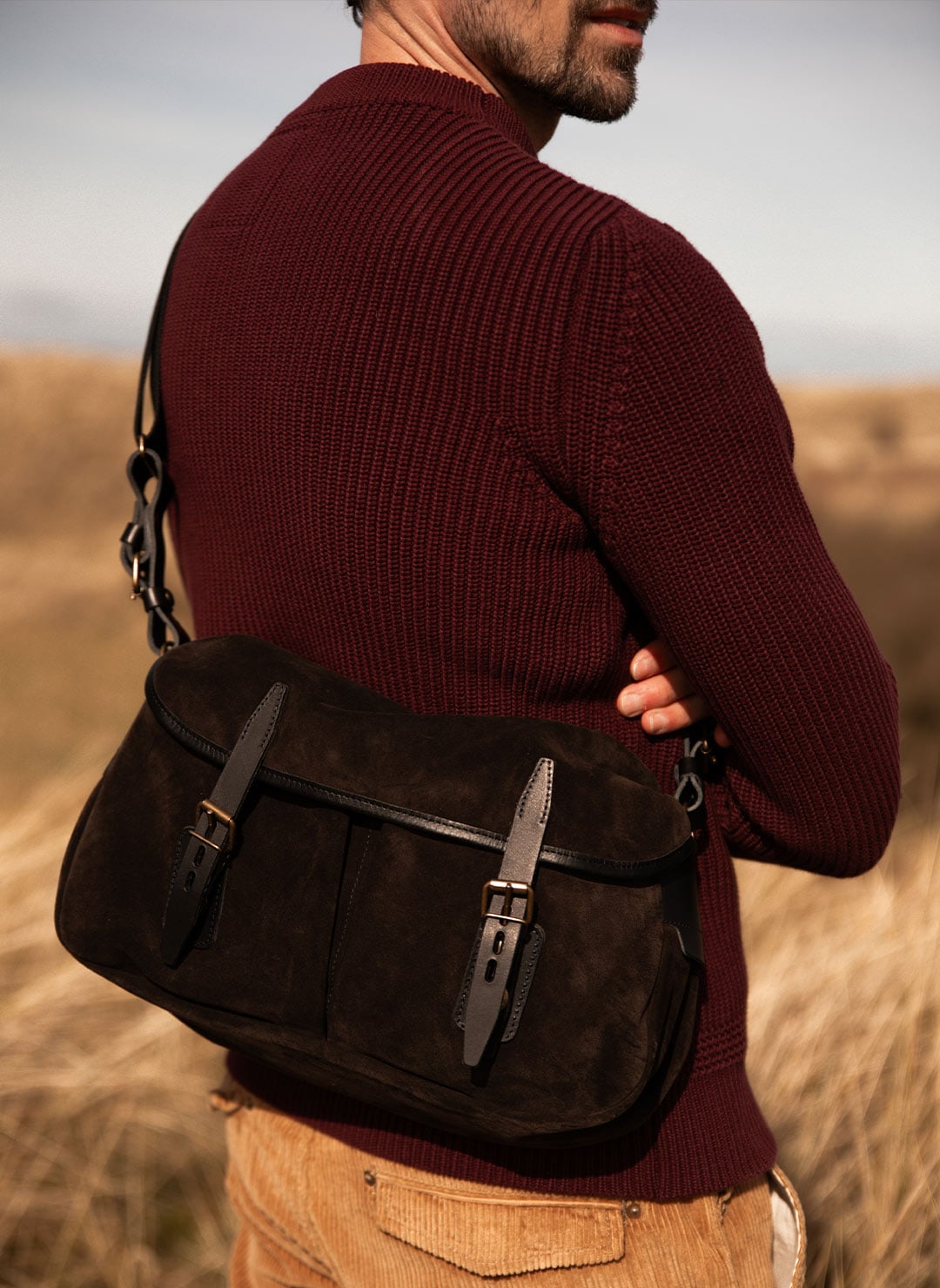
A successful crossbody style is above all about balance. A well-designed men’s crossbody bag naturally sits close to the chest without compressing the silhouette or hanging excessively loose. It should remain accessible, move naturally with the body, and sit at a coherent height, generally between the lower ribs and the hip. Worn too high, it becomes restrictive; worn too low, it breaks the body line and quickly creates a careless appearance.

Proportions play a central role. On a slim silhouette, an oversized bag can feel intrusive and visually unbalance the outfit. On the other hand, a model that is too compact on a broader frame can lose its visual function and appear more decorative than truly practical. The right format is one that complements the silhouette without overpowering it.

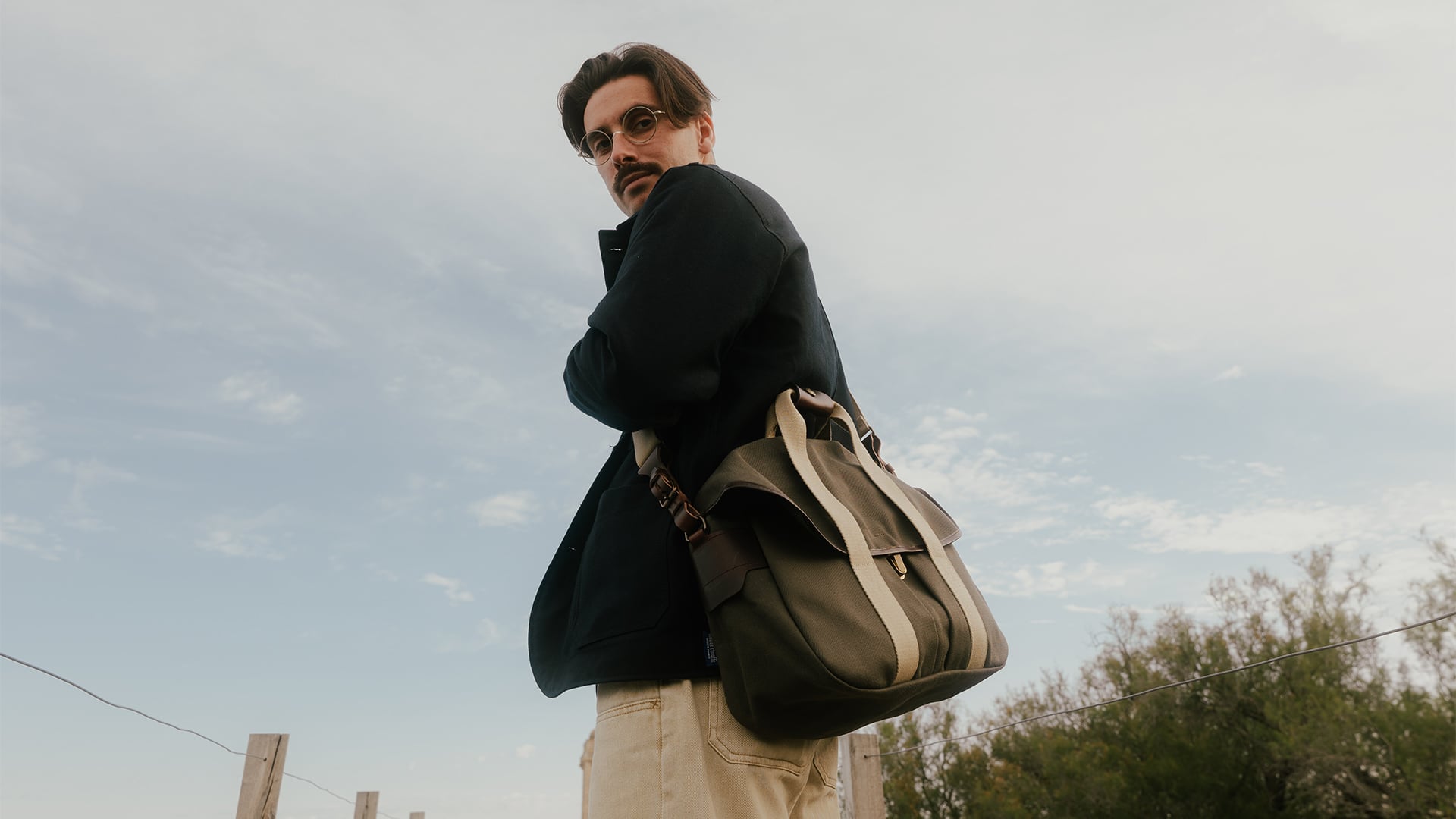
The adjustment of the shoulder strap also influences the overall appearance. A higher carry creates a more dynamic, urban, and contemporary look. The bag naturally follows the body’s movement and integrates easily into everyday outfits. A lower carry may work with certain casual styles, but it often becomes less elegant when the bag lacks structure or support. The lower it hangs, the more it visually draws attention toward the lower part of the silhouette.

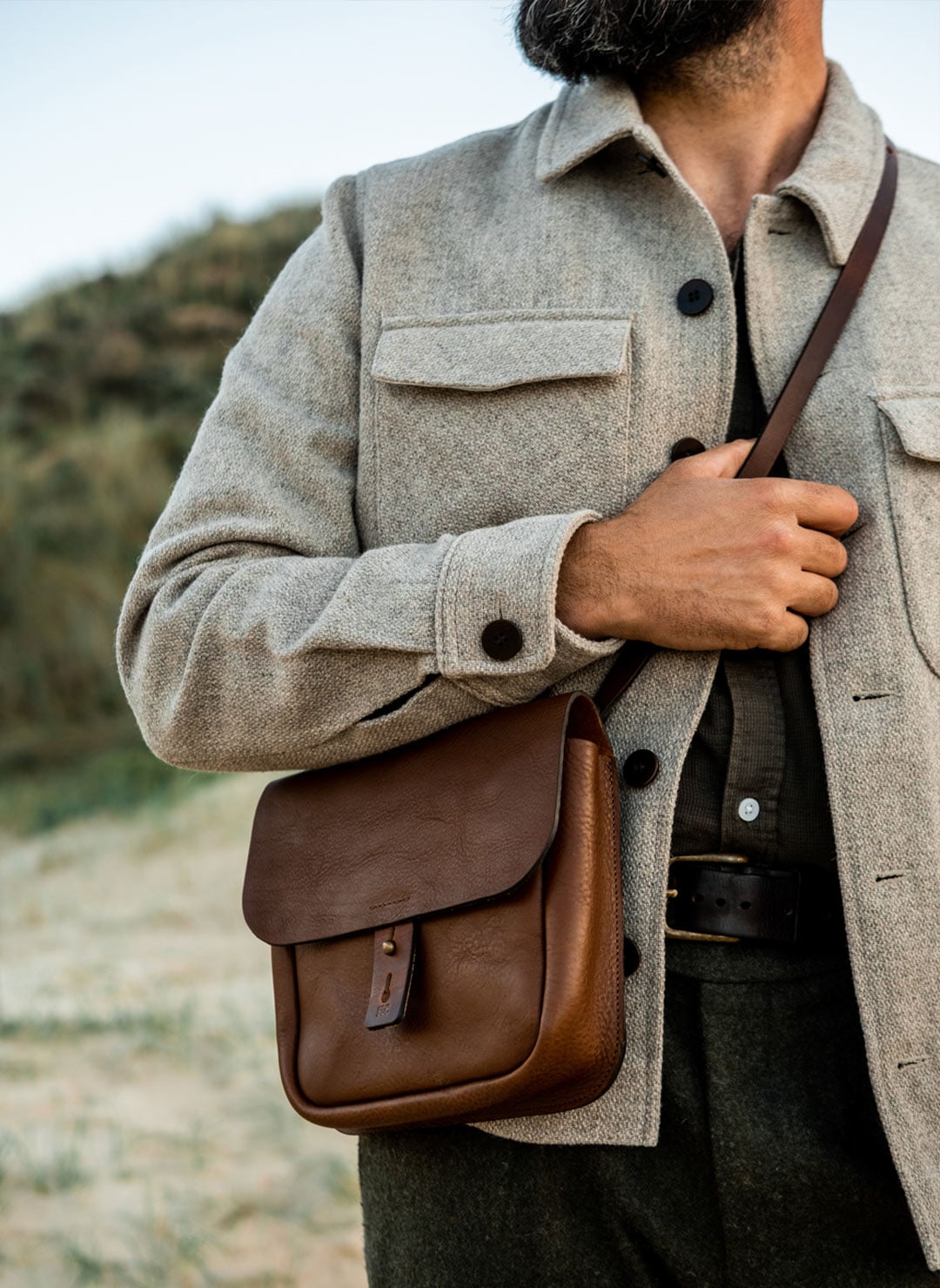
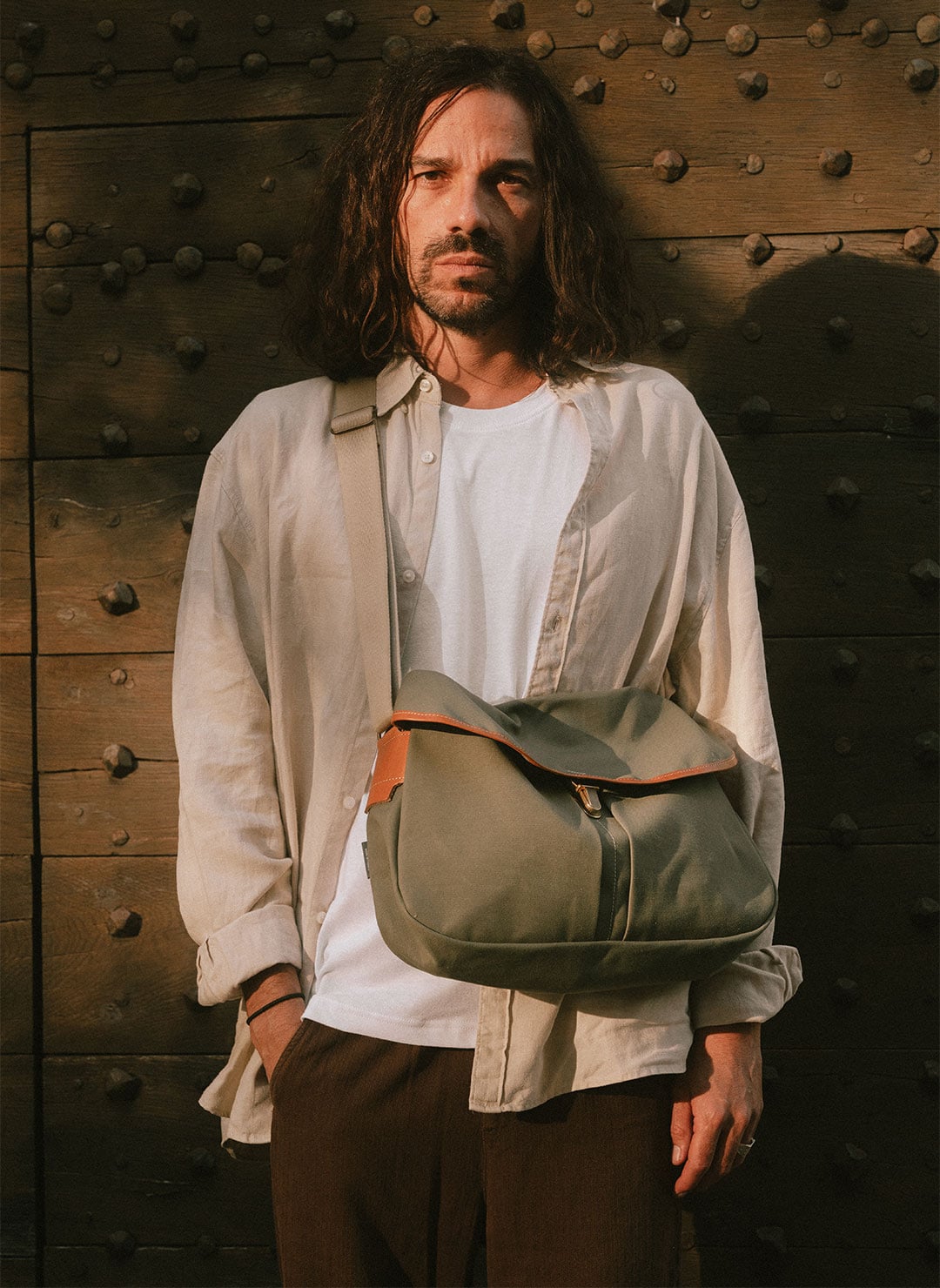
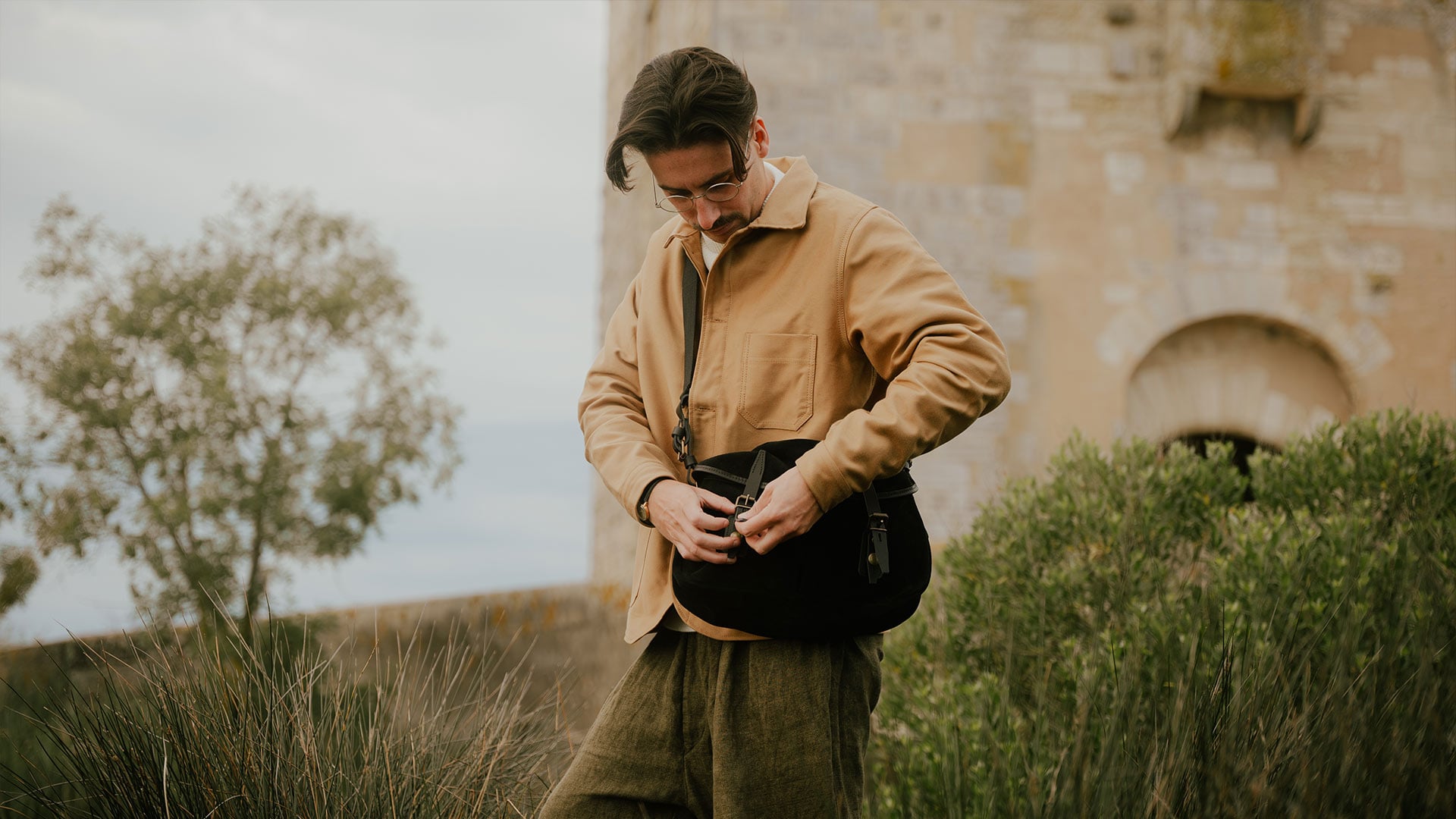
Clothing also completely changes the perception of the bag. Worn over a simple T-shirt, a men’s crossbody bag immediately appears more graphic and visible. Combined with a workwear jacket or technical outerwear, it reinforces a functional and utility-inspired aesthetic. Worn over a long coat, the bag needs enough structure to avoid disappearing into the volume of the outfit. As for a blazer, it generally calls for slimmer, cleaner, and more refined models in order to preserve the sharpness of the silhouette.

A men’s crossbody bag is therefore never defined by design alone. The way it is worn always depends on the dialogue between the body, the clothing, and the proportions.

What Makes a Men’s Crossbody Bag Sit Properly


The way a men’s crossbody bag sits is never accidental. It depends directly on its design and on how each element interacts with the body once worn. Two bags of similar size can create completely different results depending on their structure, weight, or the quality of the shoulder strap.

The strap plays a central role. An adjustable strap allows the bag height to be precisely adapted to both the wearer’s silhouette and the clothing chosen. Width also matters: too thin, and it may feel fragile or uncomfortable; too wide, and it visually weighs down the entire look. Its flexibility also influences how naturally the bag moves with the body.

The empty weight of the bag is often underestimated. A model that already feels heavy before being filled tends to pull downward and lose balance when worn. On the other hand, a well-designed men’s messenger bag maintains stability without becoming restrictive.

The overall structure is just as important. A bag that is too soft quickly collapses, loses its shape, and creates an uncontrolled appearance, especially when empty. But excessive rigidity can create the opposite effect: the bag remains stiff, follows movement poorly, and almost feels disconnected from the silhouette. The right balance comes from maintaining a clean visual presence while preserving flexibility.

The type of closure and the placement of pockets also affect the way the bag sits. Poorly positioned openings or compartments that unevenly distribute weight can change how the bag falls against the body. A well-designed model remains stable, functional, and visually balanced without disrupting natural movement.

Materials, Style, and Real-Life Use of a Crossbody Bag


The look and feel of a men’s crossbody bag depends as much on its shape as on the material it is made from. A technical canvas model, vegetable-tanned leather, or suede leather bag each tells a different story. Every material has its own visual identity, texture, aging process, and ability to integrate naturally into a modern men’s wardrobe.

A canvas bag generally suggests a more mobile, everyday use. Lighter, softer, and often more casual, it pairs naturally with urban silhouettes, utility-inspired clothing, or relaxed outfits. It works particularly well in situations where movement, practicality, and durability matter more than formality. Its crossbody fit often feels more natural with a T-shirt, work jacket, or technical outerwear.

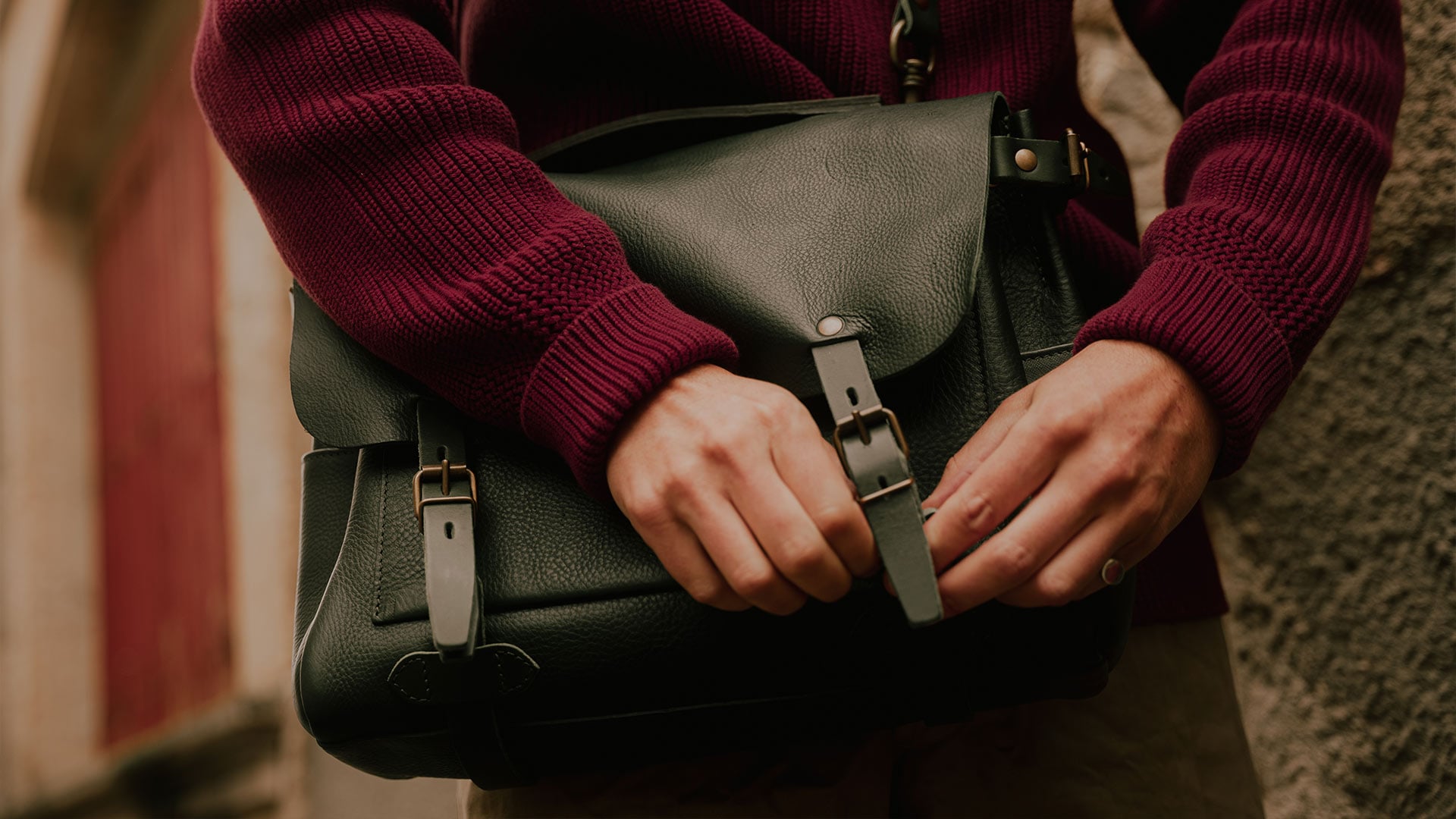
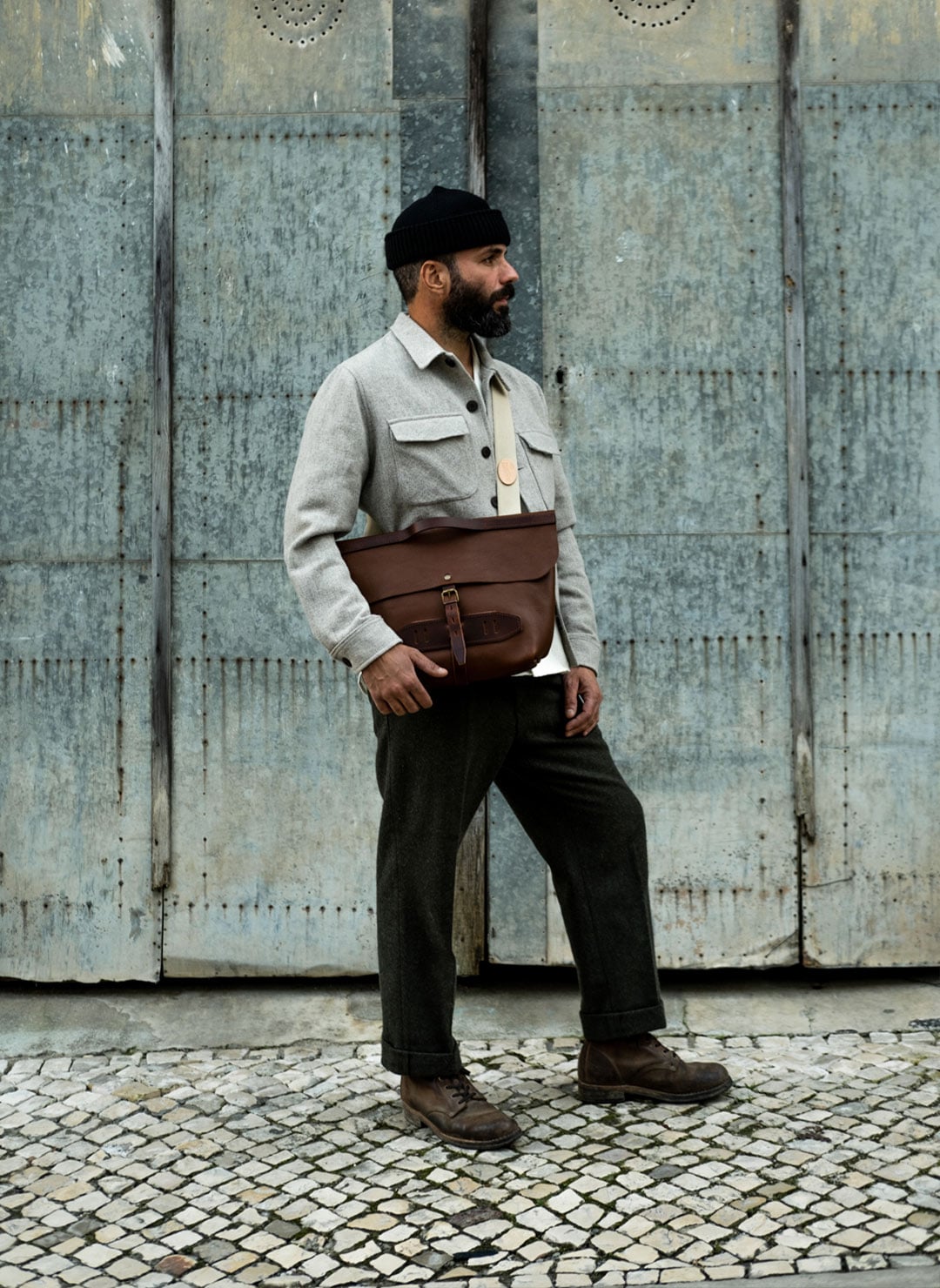
A men’s leather crossbody bag, on the other hand, brings more structure and visual presence. Vegetable-tanned leather develops a gradual patina that gives the bag a more personal character over time. Its appearance evolves, gains marks, and develops depth through daily use. This type of material pairs more naturally with structured silhouettes, coats, tailored jackets, or professional environments. Suede leather, with its softer and more matte appearance, creates a more textured and less formal result than smooth leather.

Consistency between the material and the intended use remains essential. A successful crossbody style does not depend only on the desired aesthetic, but on the balance between the bag, everyday rhythm, and the clothing worn. A highly technical model may feel out of place with formal tailoring, just as a thick, rigid leather bag can feel excessive in a very casual setting.

This philosophy is reflected in the work of Bleu de Chauffe, which places strong emphasis on material selection, vegetable tanning, and long-term durability. The brand promotes an approach where the natural aging of leather, the resistance of canvas, and the quality of craftsmanship directly contribute to the way the product looks and feels when worn. In this context, patina becomes more than a simple aesthetic detail: it becomes the signature of a men’s leather crossbody bag designed to accompany everyday life for years.
The Bleu de Chauffe Approach to French Leather Goods


Bleu de Chauffe is not positioned as a simple fashion brand. Above all, we create men’s bags designed to last, to be used daily, and to evolve with time rather than follow short-lived trends. This philosophy can be seen both in the manufacturing process and in the way each model is conceived from the very beginning.

The bags are made in France, in our workshop located in Aveyron, following a deliberately artisanal approach. Every model even carries inside the signature of the artisan who crafted it, a reminder that this is not an anonymous product but an object carefully made and individually followed through production. This attention to craftsmanship is also supported by another increasingly rare feature: repairability. A French-made men’s crossbody bag that can be repaired is a bag designed to last, preserving both its visual identity and functional purpose over the years.

At Bleu de Chauffe, design is not driven by immediate impact or excessive stylistic statements. The lines remain understated, balanced, and easy to read. The volumes are designed to move naturally with the body without distorting the silhouette, while the materials develop a natural patina over time. This understated aesthetic allows the bags to move through seasons and years without ever feeling tied to a dated trend.

The value of this approach goes far beyond style alone. A good fit begins at the design stage itself. A well-proportioned bag, properly balanced and made from suitable materials, naturally sits better against the body. It maintains its structure longer, follows movement more fluidly, and adapts more easily to different everyday uses. On the other hand, a model designed only to respond to a passing trend often quickly loses both its visual relevance and everyday comfort. This is precisely what Bleu de Chauffe aims to avoid: designing bags whose function, craftsmanship, and aesthetics remain consistent over time.

Please wait...